Category Archives: history

7/7/2019 – lawn care, DOG, drinks at Swoon

Sunday

Listened to more of the Bag Man podcast about Spiro Agnew. Lots of things we have not known about before. Shopping at Walmart because Karen needed to pick up some pills. DOG gallery sitting. Mowed back yard with push mower for first time this summer. Perhaps I should look for an electric mower?

Drinks with David Drake at Swoon.

Received the following via WhatsApp from Jonathan on Thursday. He is in Vietnam.

I asked today where it is was taken. He replied “Nghia An, central VN. Starting point for Ho Chi Minh Trail.” Then he added the following story: 

Well, we’re at this goat restaurant in Nghệ An, we’d been there a while, maybe halfway through the meal when an at first faint and then progressively louder cry of a young goat was heard until it was dragged right past our table by it’s two front legs…. the goat knew what was up, we were within ten feet of the set up… it was really overwhelming… I cleared the fuck out of the restaurant for the last part… then they got to work on it, with the carcass but not the workers just slightly out of view …

He sent along these videos:
1/9/2018 – work, Hudson River bridges at HAL

Tuesday

UTMH meeting with RPM team at Columbia Memorial Hospital.

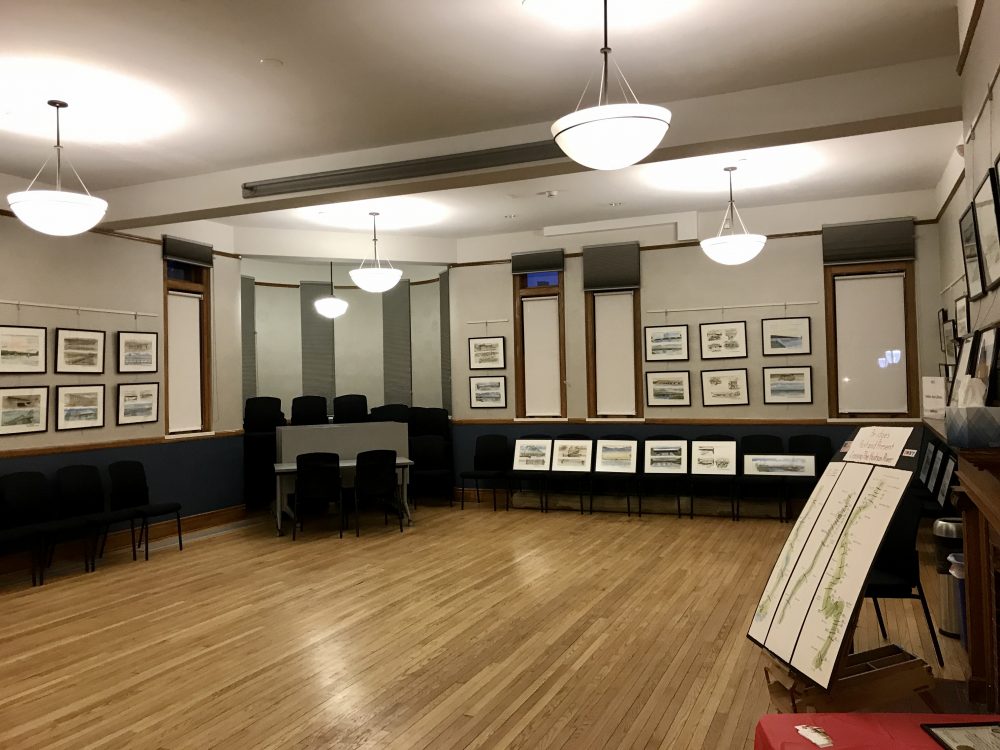
Exhibition at Hudson Area Library

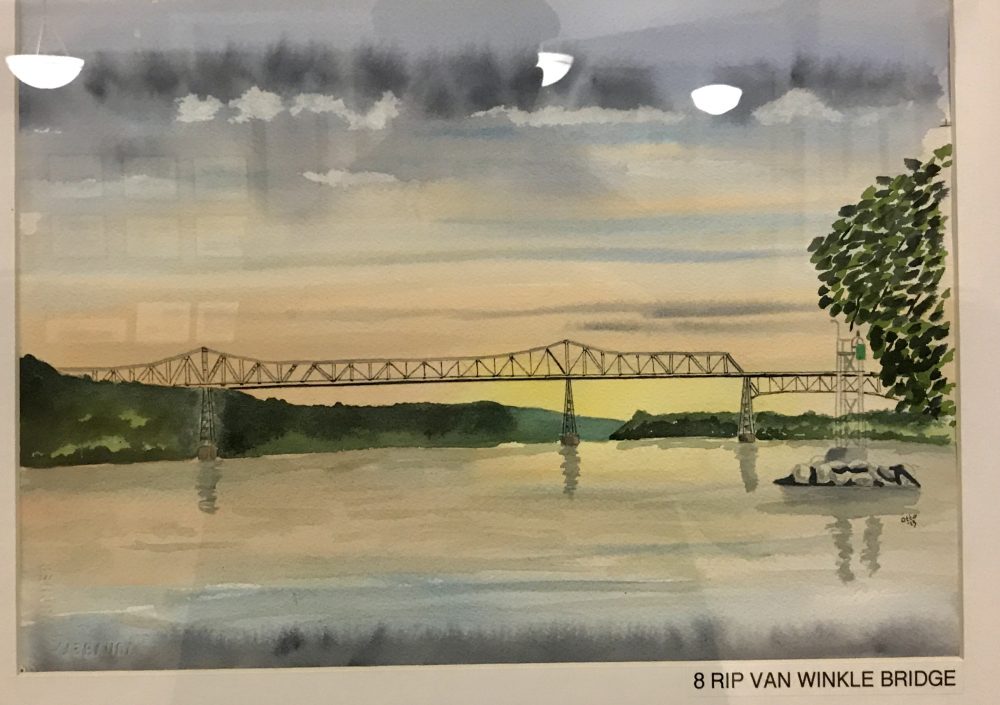
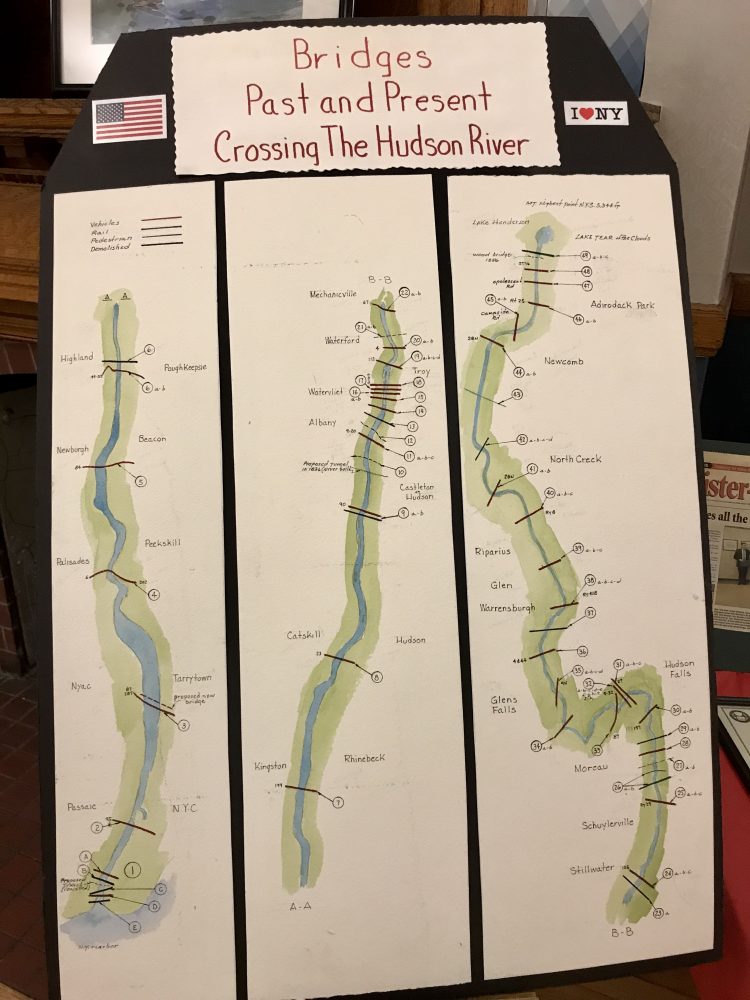
We are pleased to announce the installation of “Bridges Past and Present: Crossing the Hudson River,” an exhibition of the work of artist Otto Miranda. This exhibition consists of 63 watercolors of bridges from the 1800’s to the present that all pass over the Hudson River from New York City to the river’s beginning in the Adirondack Mountains at Lake Henderson’s Tear of the Clouds. The bridges represented include vehicle, railroad, pedestrian, and even a troop bridges. They will be on exhibit in the library’s Community Room from Friday, January 5, until Wednesday, February 28.

The artist, Otto Miranda, has been a watercolor artist for 18 years. He moved to Columbia County in 2009, where the wonderful mountains and the Hudson River inspired him to take on this project. He spent 15 months researching and then traveled with his wife Dale, and her GPS, from the river’s beginning to the lower end. Together they photographed many of the existing bridges, which Miranda then painted. Bridges no longer in existence are painted in sepia tones. Miranda states, “My greatest expectation and satisfaction is to show this project at as many libraries, museums and other venues as possible so everyone can enjoy the history as much as I have preparing it for presentation. (http://hudsonarealibrary.org/2017/01/exhibition-bridges-past-and-present-crossing-the-hudson-river/ (accessed 03042020))

Slavery in Hudson and nearby – continued

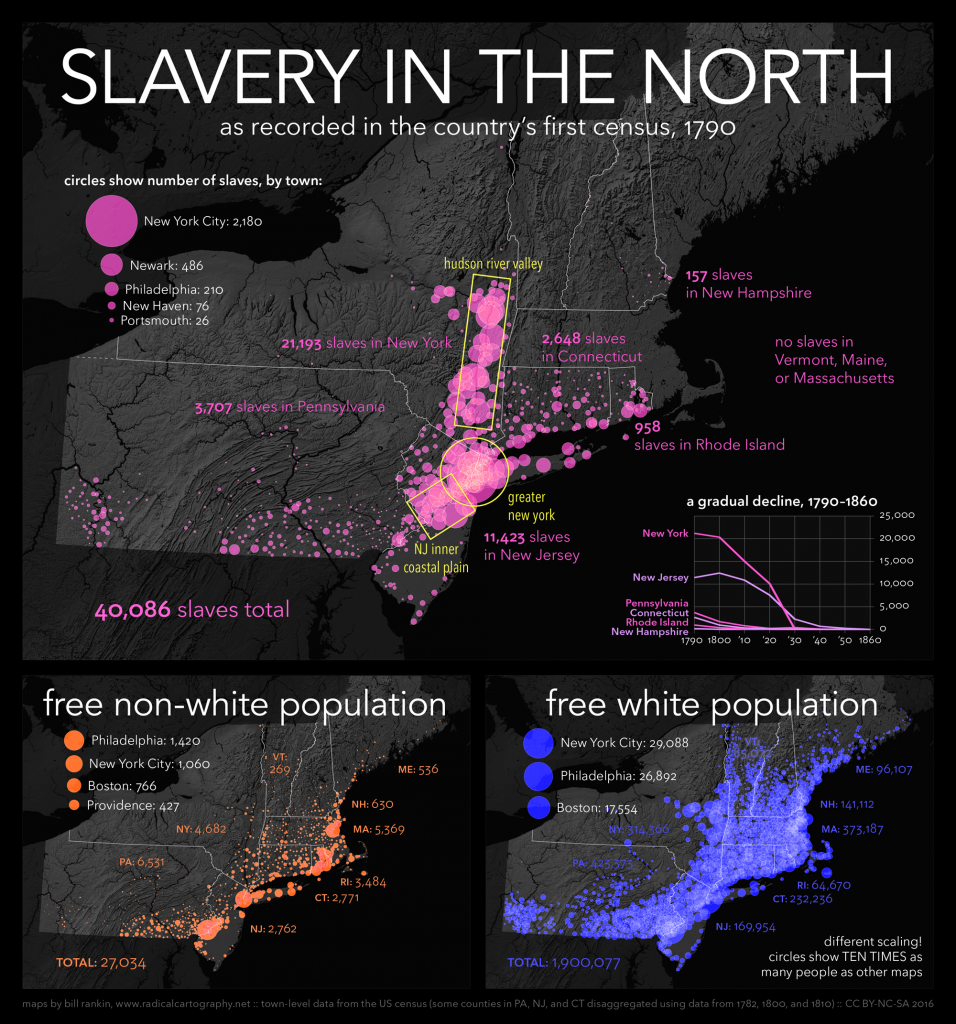
My earlier post on this topic was picked up by Gossips of Rivertown. That brought a reference from David Marston to a new source: Radical Cartography where the results of the 1790 Census (the first census) provided further data on slavery in our region and elsewhere. Here are a few examples. In 1790:

  • Hudson – total population of 2,584 with 2,364 free whites, 27 free non-white, and 193 slaves – 7% of the population.
  • Kinderhook – total population of 4,666 with 4,027 free whites, 6 free non-whites and 638 slaves – 14% of the population.
  • Rhinebeck – total population of 3,649 with 3,175 free whites, 66 free non-white and 421 slaves – 11% of the population.
  • Catskill – total population 1,885 with 1,667 free whites, 8 free non-white and 365 slaves – 15% of the population.

It is clear that though slavery in the North was not the dominant economic engine that was true of the South, slavery was present and visible on a day-to-day basis.

Click on image to go to Radical Cartography and the interactive map.

6/14/2017 Slavery in Hudson and Columbia Cty NY

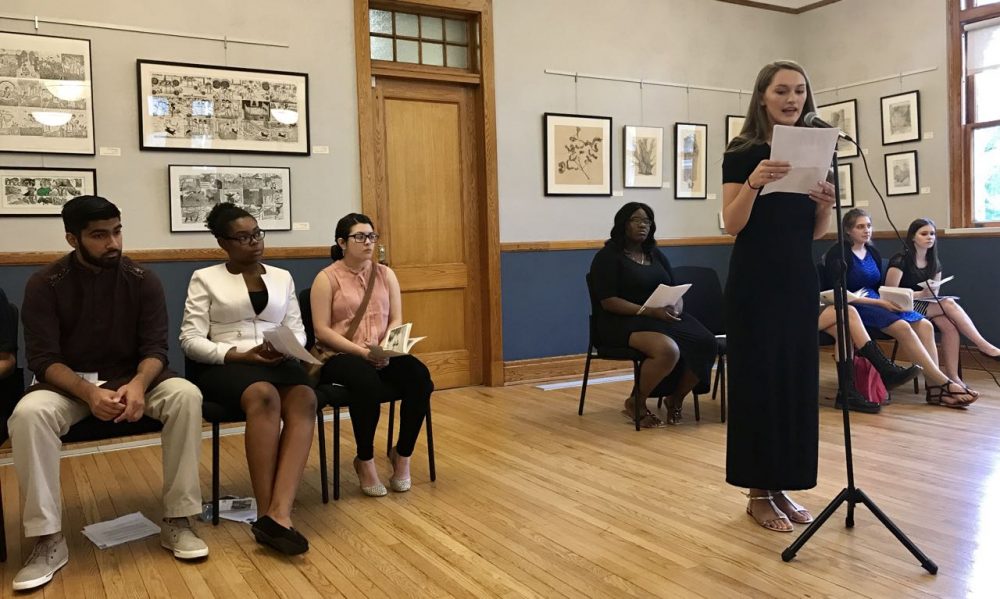
Students presenting their work at HAL.

It is doubtless a fact that most Northerners, including the writer, think that slavery in America was a Southern problem. In the North slavery was an occasional institution, or so we think.

A week ago on Thursday 6/8/17 I attended a program at the library, “Abolition and Women’s Rights in Local History” presented by the students of Hudson Community Schools’ Writing Center at the Hudson High School. More about this project here.

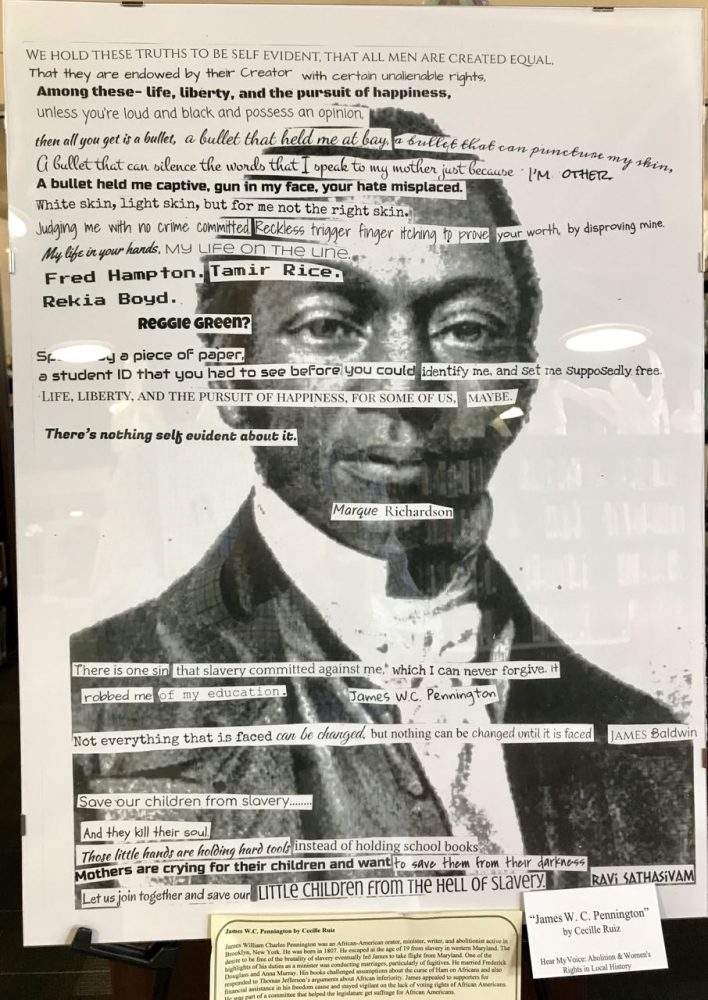
“James W. C. Pennington” by Cecille Ruiz – click to see full size image

The bulk of the program revolved around presentations by the students of their research and creative projects about slavery, abolitionists and women’s rights activists of the 1830s-1850s in upstate NY. The word and image projects are on display in the library now.

Slavery in Hudson and Columbia County

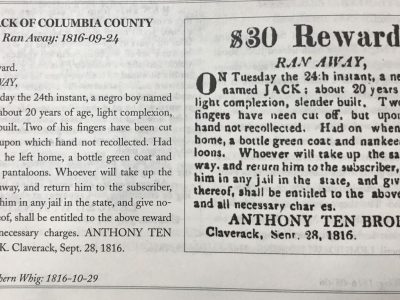
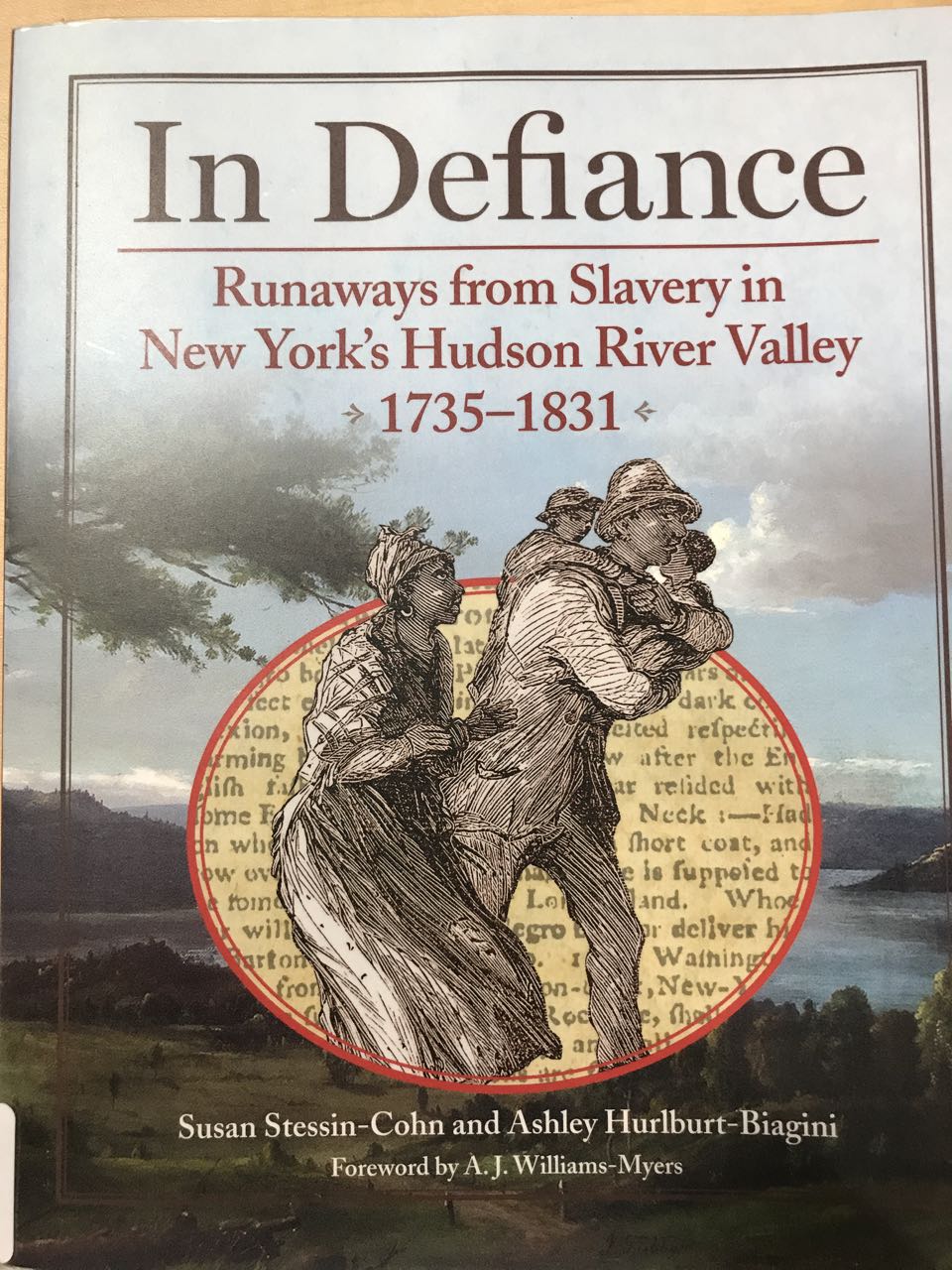
But, I want to focus on just one aspect here. The program opened with readings of notices of runaways slaves from the Hudson River Valley. Many were notices from slave owners in Hudson and Columbia County dating roughly from 1795 to 1840. The source of these notices is In Defiance: runaways from slavery in New York’s Hudson River Valley, 1735-1831 ((Stessin-Cohn, Susan, and Ashley Hurlburt-Biagini. In Defiance: Runaways from Slavery in New York’s Hudson River Valley, 1735-1831, 2016.))  It is available in the library.

One hint about the deep history of slavery in our region is the fact that over 50% of the runaways spoke both Dutch and English. ((p324. Stessin-Cohn, Susan, and Ashley Hurlburt-Biagini. In Defiance: Runaways from Slavery in New York’s Hudson River Valley, 1735-1831, 2016.))  This is clearly an indication that they lived here long enough to learn two languages.

Here are a few samples from the book: (click on images for full size)


Movie – War Machine – a misplaced parable

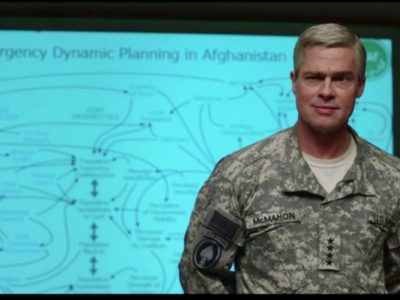
Netflix has just released War Machine onto the streaming media waters. This movie fits into the long tradition of American media mostly puffing up our military exploits or turning them into light tragi-comedy.  Brad Pitt, applying the acting style of a trimmed down George Clooney, portrays the fictional General Glen McMahon. Broadly and obviously based on the story of the real General Stanley McChrystal who took over the War in Afghanistan in June 2009 only to be ousted in June 2010 after a profile appeared in Rolling Stone Magazine revealed much foolishness and derogatory comments about President Obama and VP Biden. The movie has its comedic moments and the very broadly played General MaMahon is bound to either really annoy those enamored of the US military or fulfill the image of buffoonish generals that others may prefer. Continue reading

"The True Size of Africa" – immappancy revisited

For years I have been disturbed by my lack of knowledge of Africa. This lead me years ago, stimulated by Michael Crichton’s pulp novel Congo, to investigate Mercator maps and the true size of Africa. You can find  some of that in an earlier twice revised post,  “Michael Crichton’s Congo and the Transformation of the Western Mind“.

Now comes a more compelling graphic from Kai Krause, “The True Size of Africa“. ((I found the graphic and reference in the 10/10/2010 Economist)) ((I am not the first to discover this map – Google “true size of africa”))

The True Size of Africa by Kai Krause

click on map to get larger image.


Hidden History of Columbia County – lecture at HAL

04022015-1 - 1

book cover


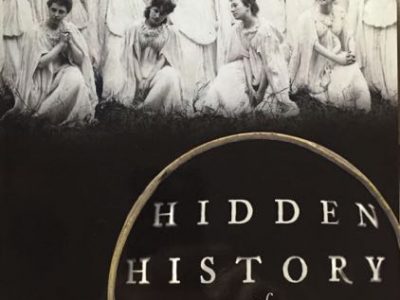
The Hudson Area Library History Room sponsored a lecture April 2, 2015 by Allison Guertin Marchese based on her book “Hidden History of Columbia County New York” (The History Press, 2014. Available locally at The Spotty Dog Books & Ale 440 Warren St).
Ms. Marchese touched on many topics: healing waters in New Lebanon that supported a 300 room hotel, sulfur springs in Stottville, the Shakers, Electric Park, interesting people in the area, a fairly extensive comment on Edna St. Vincent Millay, the poet and finally the library’s current home at 400 State St.
(The audio is captured on an iPhone. Serviceable, but at times a bit noisy with rustles and comments)

04022015 - 3

Allison Marchese at Hudson Area Library 04/02/2015


Whisperes- family life in Stalin's Russia by Figes

Book Review – The Whisperers – private life in Stalin's Russia by Orlando Figes

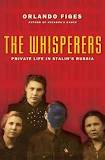
Whisperes- family life in Stalin's Russia by FigesThis book by Orlando Figes is exciting, terribly depressing, and cautionary. Based on hundreds of in-depth interviews and thousands of letters, diaries, and government documents, Whisperers ((more here on Figes’ website)) puts real people in place of the faceless numbers that constitute our usual image of the human costs of Stalinist Russia – the 10 million lost during collectivization, the same or larger number disappeared during the various Terrors and the 20 million or more dead during the Great Patriotic War (aka WWII). For those who do not have much background in Russian and Soviet history Figes provides concise sketches of key political and economic developments covering the entire span of Soviet Russia. You will not feel at a loss during the NEP period nor the ensuing collectivization and the round ups of “kulaks”. This allows you to understand the private lives with a reasonable understanding of the context.
But the real contribution of this book is its discussion of the truly radical efforts by the Communist Party to crush the family as a basic unit of society and replace it with other institutions. The goal is to shape the new Soviet man. The coercive intrusion by the state into every aspect of daily life is comprehensive – it adds new depth to understanding the machinery of a totalitarian state.

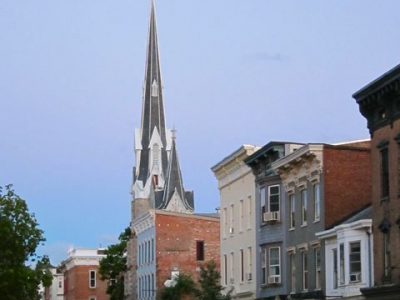
Warren St Hudson NY at dusk looking up town

Hudson and Its People: immigration in 19th & 20th centuries by Sally Naramore

Warren St Hudson NY at dusk looking up townThe Greenport Historical Society hosted a lecture by Sally Naramore on Wednesday evening 4/18/2013 at the Greenport Town Hall. Her presentation which included visuals not included here, focused on immigration to Hudson in the 19th and 20th centuries.

If you know Hudson, especially the churches, you should be able to follow her descriptions of where people settled within Hudson. Ms. Naramore is the Department Chair and Teach of Social Studies at Hudson High School. She was Executive Director of the Columbia County Historical Society from 1983-1990 (biographical information from the historical society’s flyer). Continue reading