Still jet lag.
Took a walk up Warren.
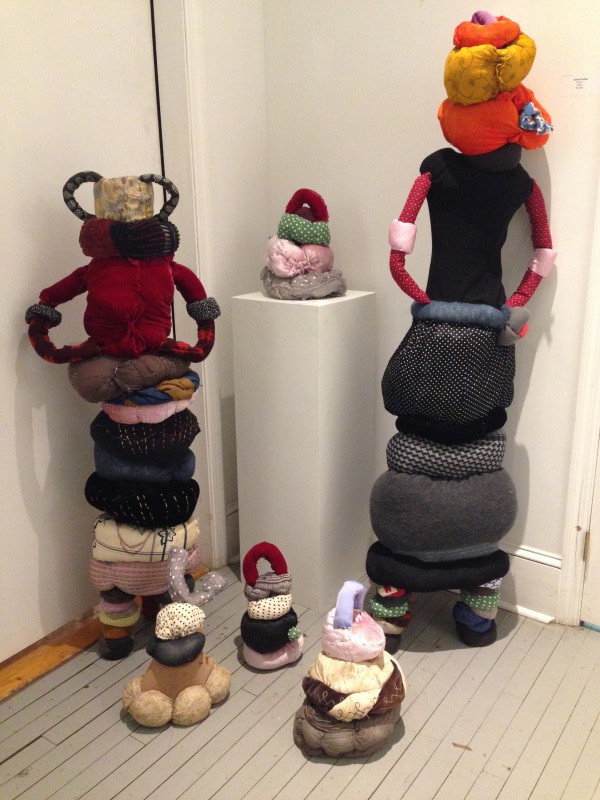
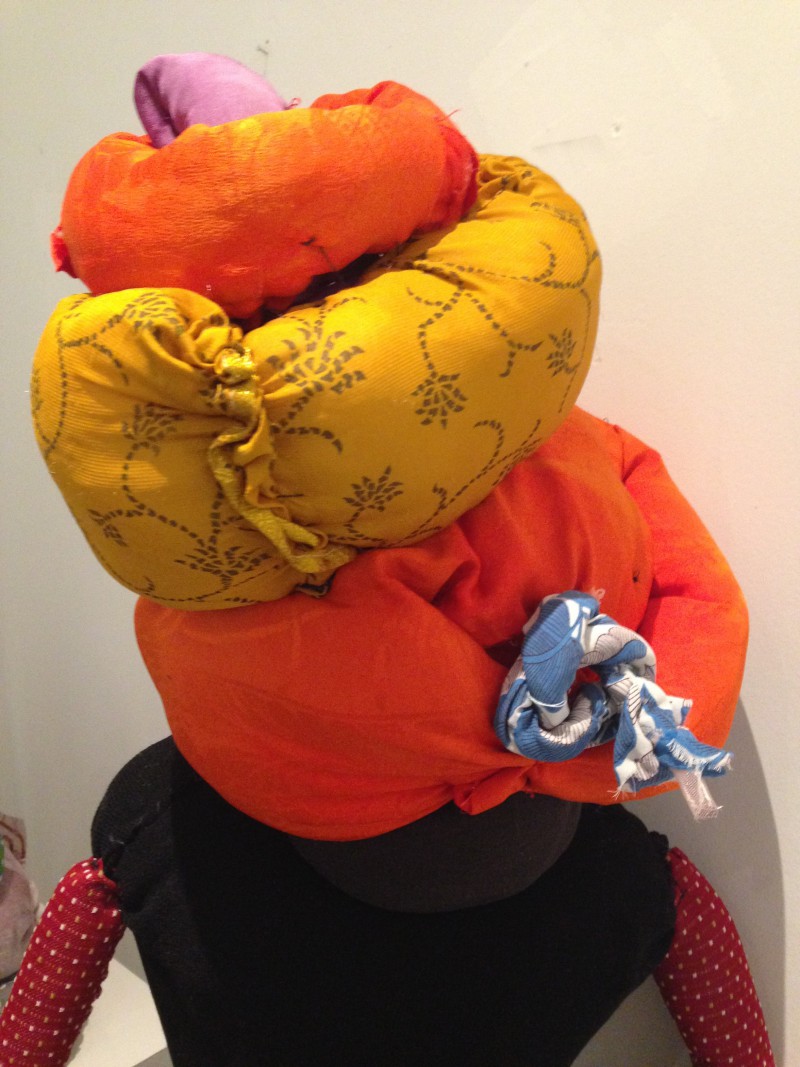
Stopped at HOH to look at Columbia Council on the Arts annual member show.

Still jet lag.
Took a walk up Warren.
Stopped at HOH to look at Columbia Council on the Arts annual member show.
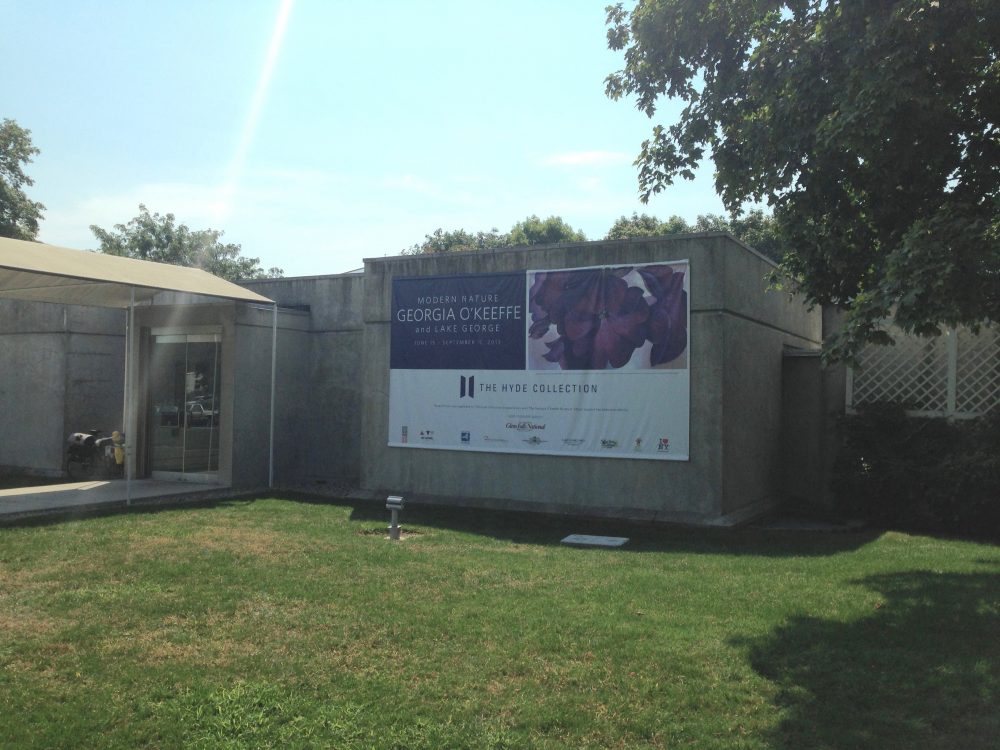
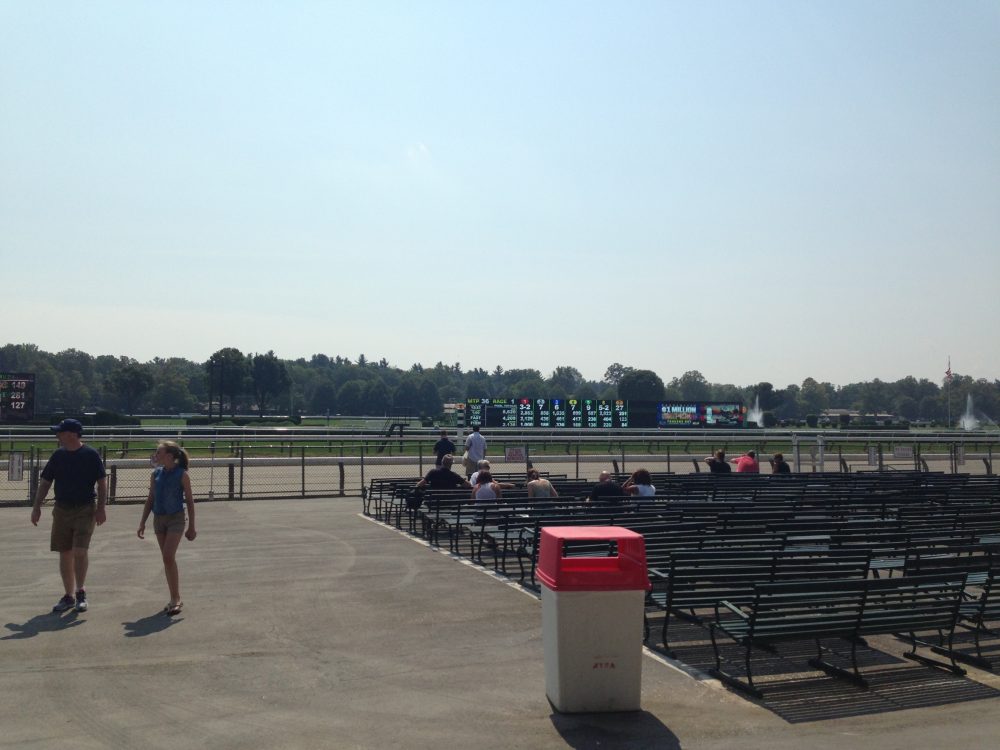
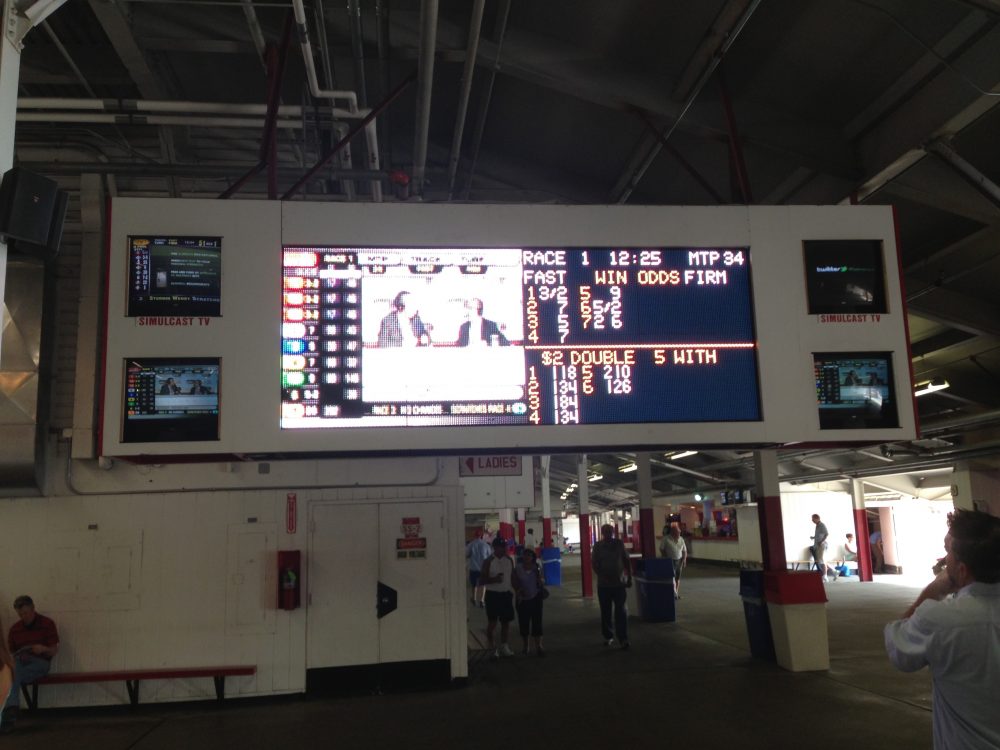
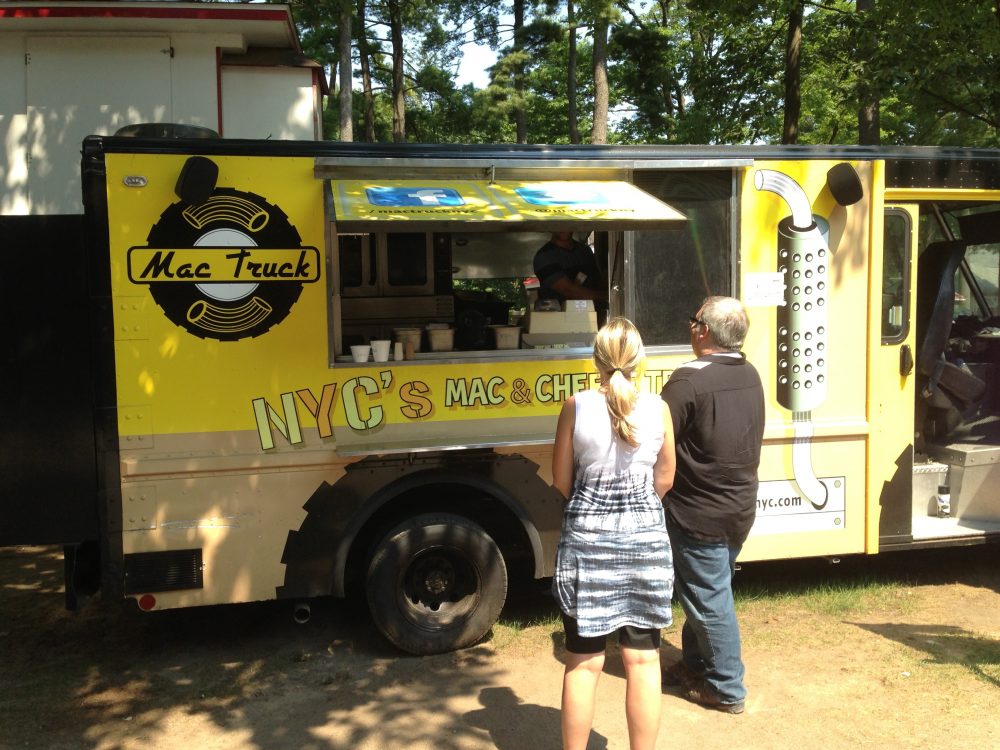
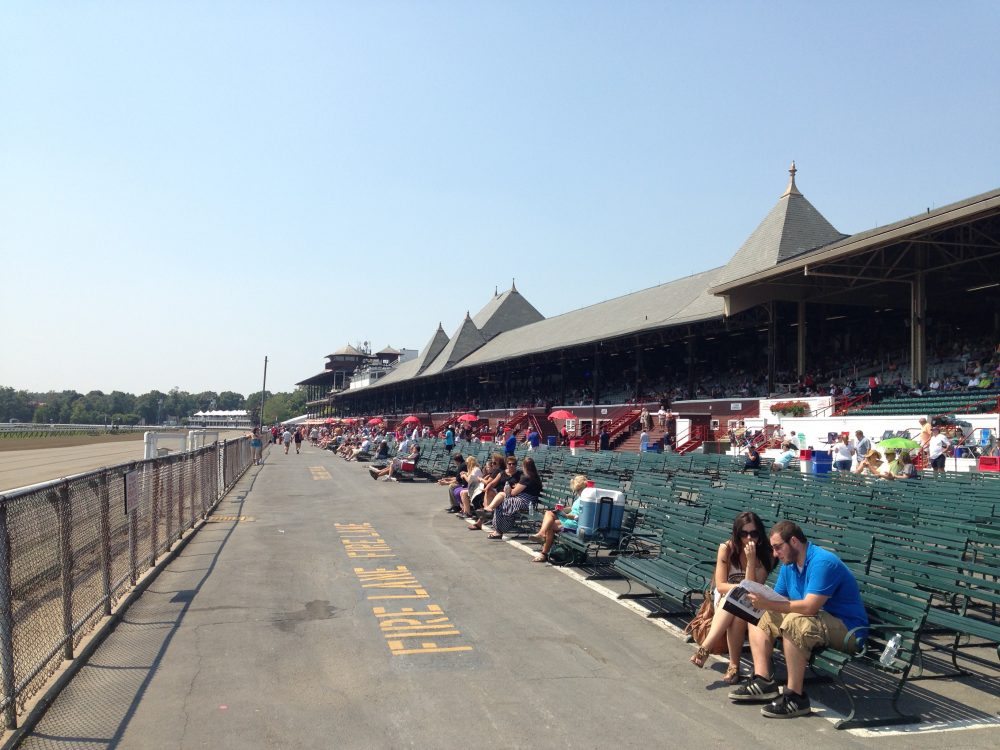
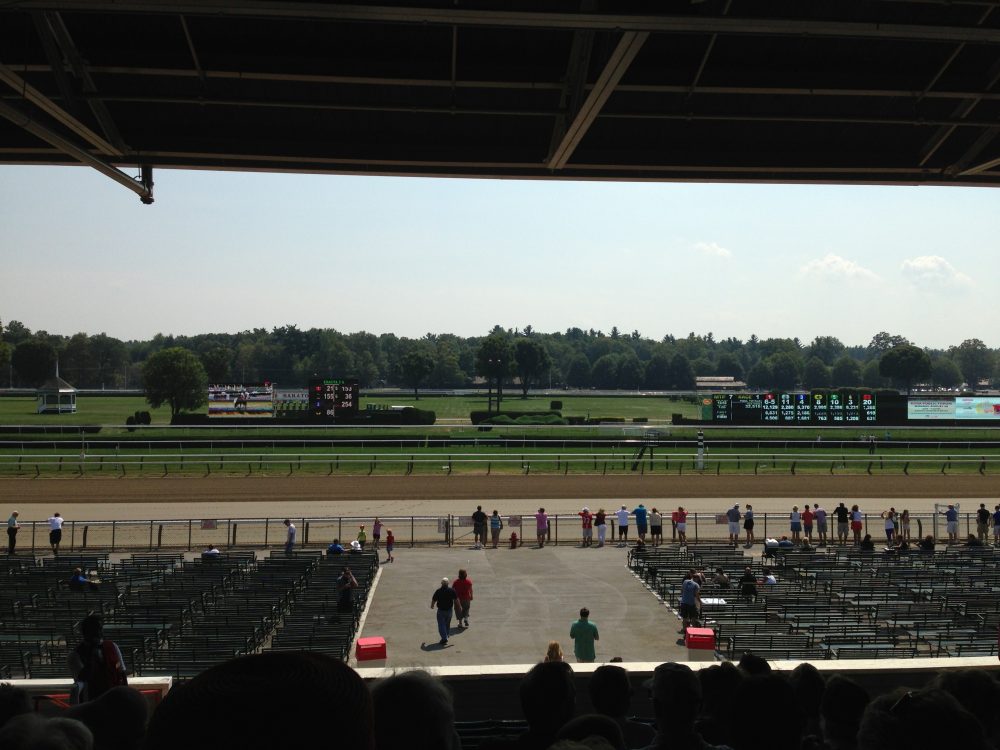
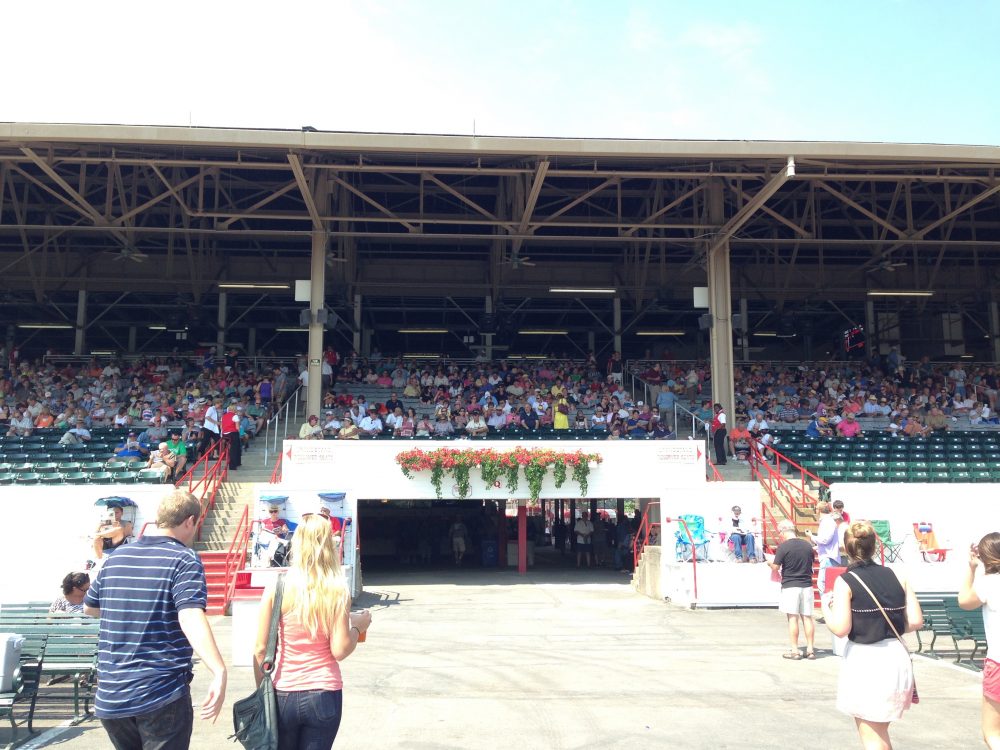
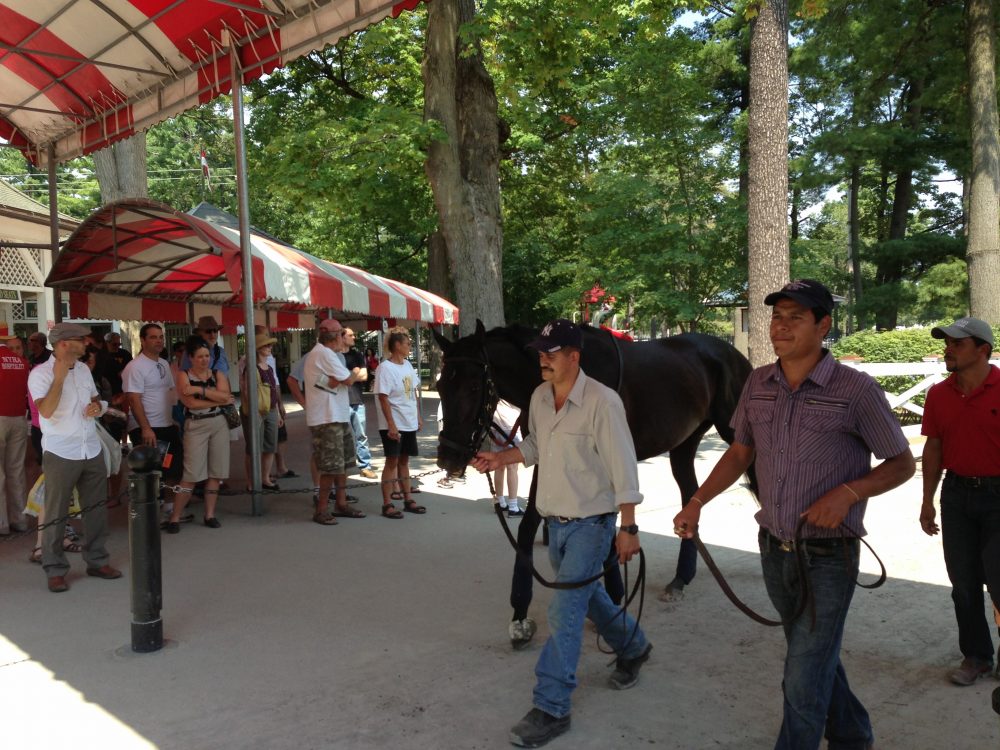
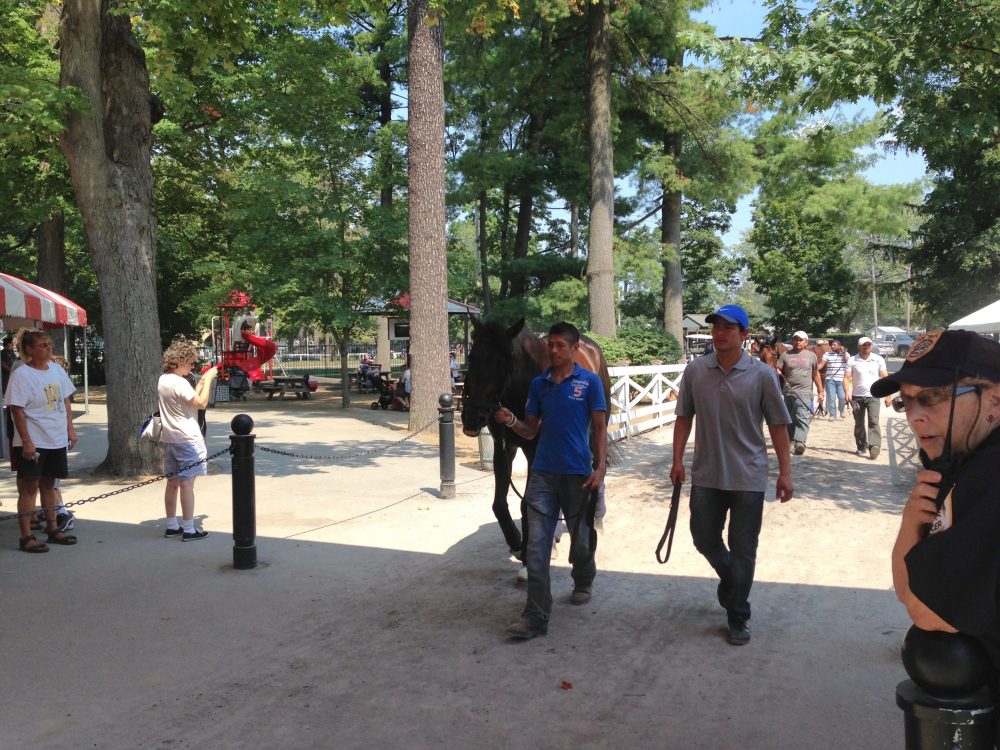
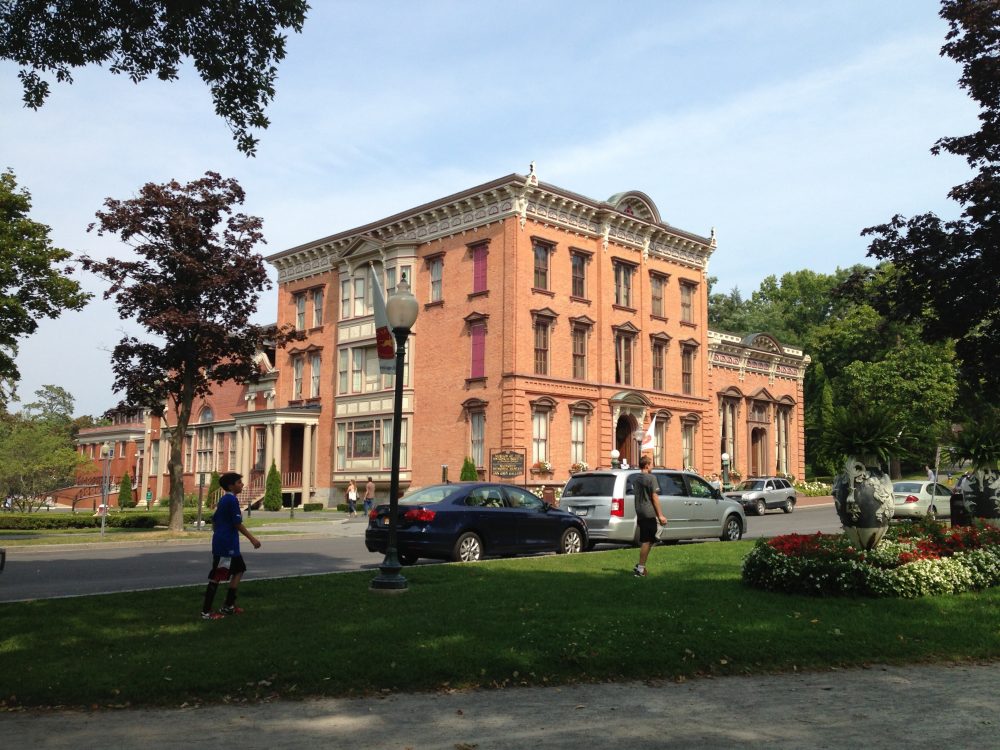
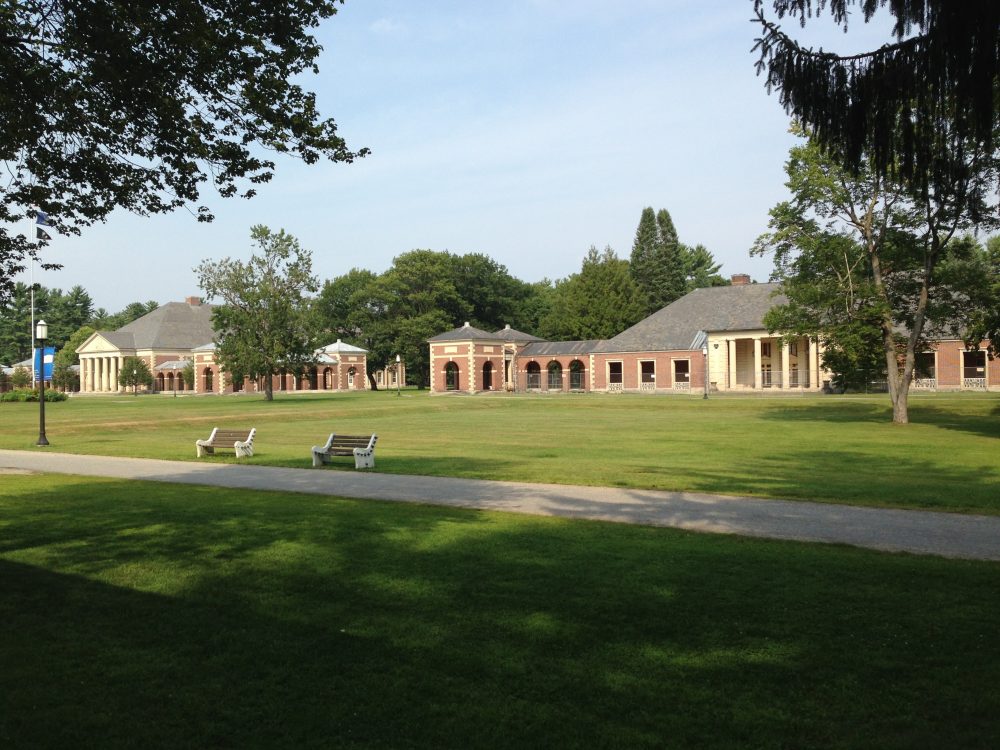
Went on a jaunt to Saratoga Race Course in Saratoga Springs, NY. Stopped in Glenns Falls, NY on the way to visit the Hyde Collection. In Saratoga Springs, Enjoyed the ambience, watched a couple of races, wagered nothing (couldn’t figure out how it works….trifecta, perfectas, etc???). Also stopped at other spots: Congress Park, Saratoga Springs History Museum, Saratoga Spa State Park, and other.

Last week we went to NYC for a Nyla event at Trinity. Along the way we went to the Guggenheim largely to see the Francesca Woodman show. We had to walk up the ramp quite a way to get to that show and I found myself enthralled by the sculpture of John Chamberlain.
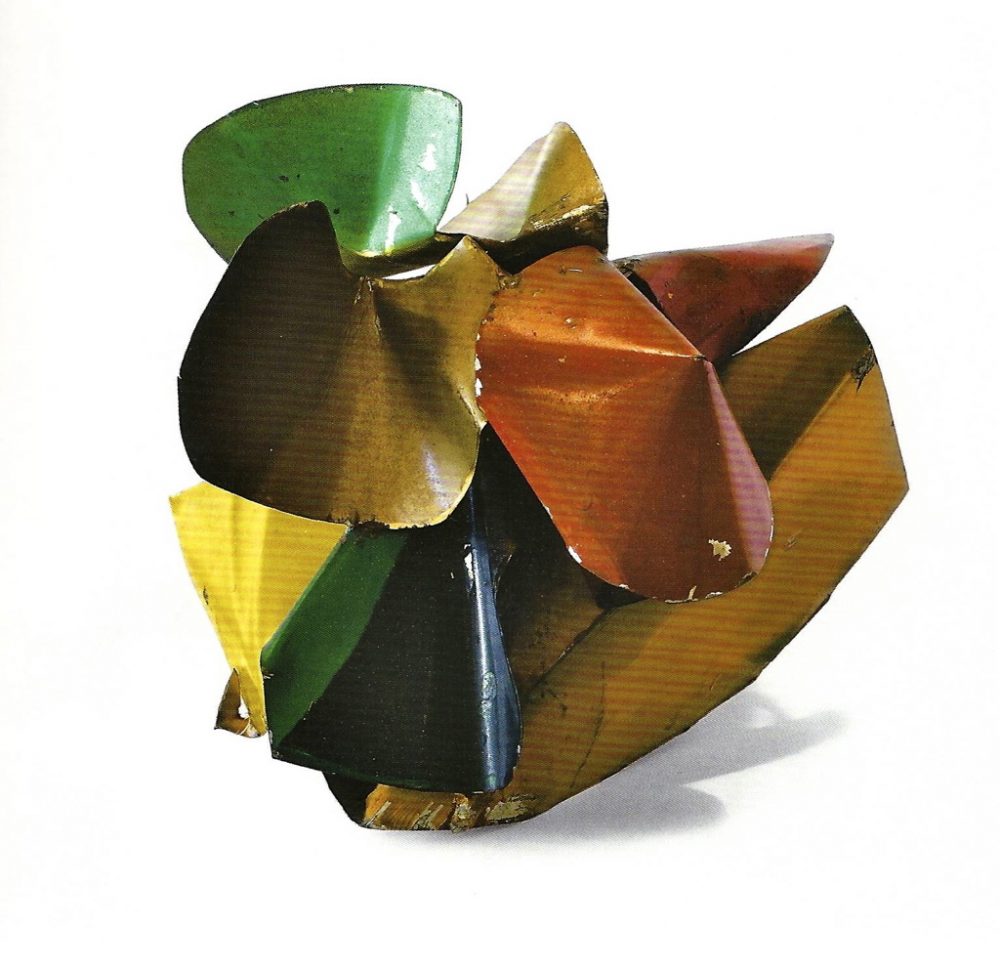
John Chamberlain – untitled 1962
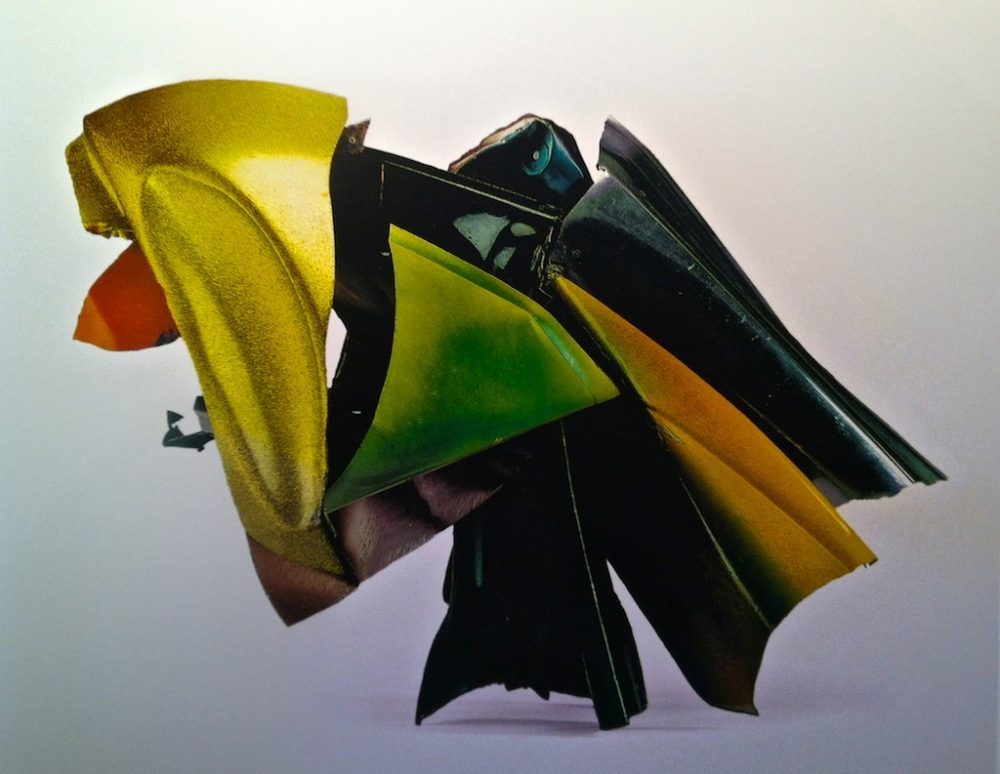
John Chamberain – Miss Remember Ford – 1964
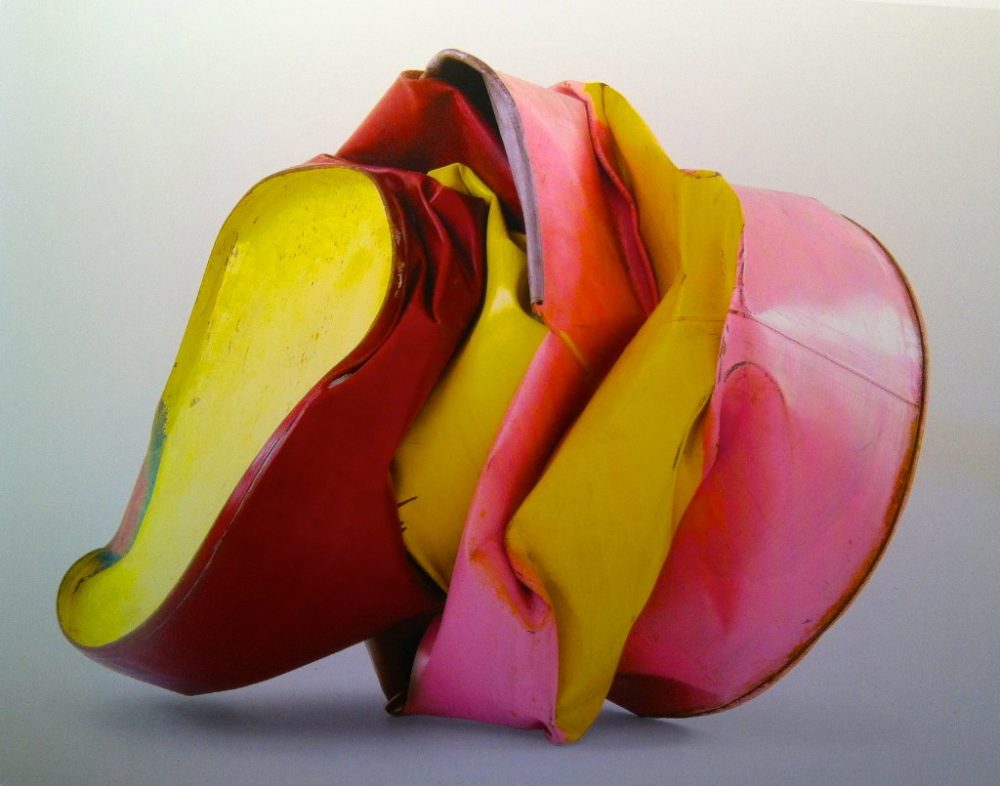
Kiss #12-1979 (30 x 31 x 27 inches) by John Chamberlain-from Guggenheim show catalog
Though he is apparently usually noted for his wide use of car parts in his sculpture, he noted, in an audio clip, how annoying this is to him, “Do you ask a painter what brand of paint do you use?” Any connections to Pop Art or other commentaries passing as art was clearly not his intent or desire. The car parts were just material to him.
As I moved up the ramp it dawned on me that his use of painted/colored metals introduced, for me, color as a major element of sculpture. Although there is obviously color present in every sculpture, for the most part, I have been most focused on the 3-dimensional form not its color or even surface textures. Looking at Chamberlain’s work I started to see the color not as a surface element but in an entirely new dimension.
As I moved around the sculptures, the fields of color shifted into new juxtapositions of color. Because my mind does not process 2-dimensional forms with much interest I have always been left mostly uninterested in abstract expressionism and other non-figurative 2-dimensional art. Chamberlain’s work has given me new access to these forms of abstraction.
As we were leaving the Guggenheim I purchased the catalog. A bit later I opened it to a few of the photos of works that I had liked the most. I was immediately struck by how unsatisfactory these photos turned out to be. Though the photos were of high quality and the reproduction on the pages very good. They lay flat. It was not possible to get any of the experience of moving around the sculpture.
This reminded me that for years I have taken multiple images of sculpture with the intent of providing a weak simulation of this experience. With this in mind I went back to my photo collection and created a little slide show of a work Karen and I saw earlier in the winter on a walk through the field sof Omi International Arts Center in Ghent NY.
Stopped off at the New York Art Book Fair. More overwhelming than last. Don’t these people know that books are so dead. Really last year there were two floors. This year they added on a whole tent in the courtyard. Too many books on politics and art movements that were obscure 40 years ago. Still some good stuff. Karen found a few she felt compelled to buy.


My nod to Lee Friedlander and countless other rear view mirror afficianadoes.

Location:Warren St,Hudson,United States
Stop at the library to put up labels next to art that John Davis donated to the library. Here are two of the six pieces.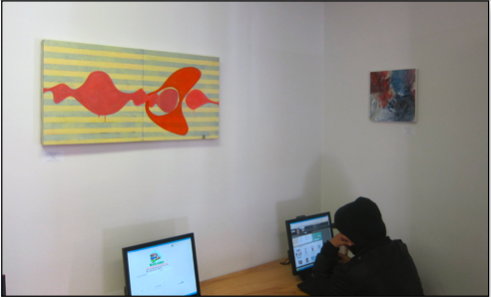
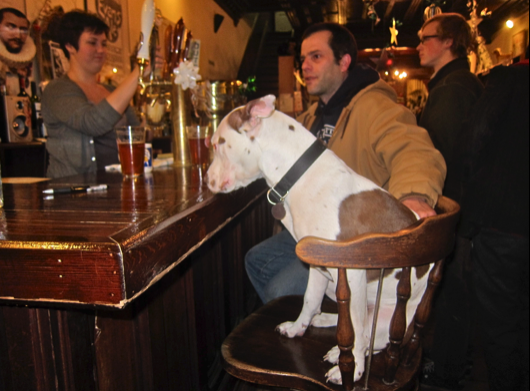
Off to The Spotty Dog this evening for Trivia Night – new player showed up:
Maya Lin at Storm King Art Center
Viewed from above, the undulating swells of earth forming Storm King Wavefield appear to naturally rise from and roll along the grassy terrain. Set against a backdrop formed by Schunnemunk Mountain to the west and the Hudson Highlands to the south and east, Maya Lin’s earthwork inspires a broad perspective on the landscape from which it emerges and entices deep exploration of the grassy alleys between the cresting peaks. The seven nearly four-hundred-foot-long waves, ranging in height from ten to fifteen feet high, proceed at the same scale as a series of mid-ocean waves. The resulting effect recalls the experience of being at sea, where sight of adjacent waves and land is lost between the swells.Storm King Wavefield is the largest and last in a series of three of Lin’s wavefields. (The other two are located in Ann Arbor, Michigan, and Miami, Florida.) Lin selected the eleven-acre site as an environmental reclamation project, a sustainable reworking of the former gravel pit that supplied material for the New York State Thruway. When Storm King was founded in 1960, a significant portion of its grounds consisted of large stores of gravel in surrounding fields. The ravaged landscape was in turn landscaped and shaped anew by the very same gravel. This compelling, untold story excited Lin. “I’ve tended to create works on the edges and boundaries of places…. I always knew that I wanted to culminate the series with a field that literally, when you were in it, you became lost inside it.” Working with the New York State Department of Environmental Conservation, which sanctioned and supported the reclamation of the site, Lin collaborated with landscape architects to utilize the existing gravel and topsoil at the site. The low-impact grasses and natural drainage system she introduced make Wavefield an organic, living work that continues to evolve.
Art Omi – Ghent NY
After over 30 years of practice, Bernar Venet has perfected the challenging technique of using an over-head crane to bend and twist long, heavy, three-dimensional steel poles. Venet was aware of and accepting of the fact that there was a human incapability to defy physics, so chance was a major element in his work. Venet’s physical struggle was also a powerful essence behind his Indeterminate Line and Arc series. His large-scale outdoor sculptures range in size from 14 to 55 feet tall, comprised of many tons of steel.
Bernar Venet was born in Alpes de Haute-Procence in 1941. His work was the subject of a five-year retrospective at the New York Cultural Center in 1971. His work is exhibited world-wide in institutions in Belgium, America, Austria, Japan, Switzerland, Germany, and more. His work is featured in many publications, both online and in print. The artist continues his career and regularly exhibits retrospectives of his past work as well as pieces that he’s made recently. bernarvenet.com
(borrowed from Art Omi website http://artomi.org/exhibitions/bernar-venet-arcs-in-disorder-4-arcs-x-5-and-83-5-degree-diagonal-line)
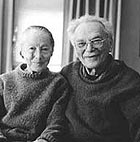
Milton and Anne Rogovin – June 2003
During one of our whirlwind weekends in New York, Karen and I went to the New York Historical Society (2 West 77th Street New York, NY 10024 http://www.nyhistory.org) to catch the last day of the exhibit, REMEMBERING THE FORGOTTEN ONES: THE PHOTOGRAPHS OF MILTON ROGOVIN.
This proved to be the best photography, most engaging exhibit I have seen in years.
“A joint project of the NYHS, Sound Portraits Production (the Society’s collaborators on the 2001 exhibition Flophouse ), and the Burchfield-Penney Art Center in Buffalo, this remarkable exhibition combines prime examples of 93-year-old Rogovin’s photographs of Buffalo over five decades (including recent work), with audio installations and artifacts. The exhibition is accompanied by a short film, The Forgotten Ones , directed by Harvey Wang (which won the Best Documentary Short award at the 2003 Tribeca Film Festival), and a new book, Milton Rogovin: The Forgotten Ones (with Dave Isay, David Miller and Harvey Wang; published by Quantuck Lane Press in June, 2003).”
(from the New York Historical Society web site)
At the heart of the experience was a roomful of tryptichs, photos taken of the same family, if not always the same family members spanning three decades. Rogovin combined brief texts by one or more of those pictured and some included audio versions with the authors of the text speaking.
Here are a few images:
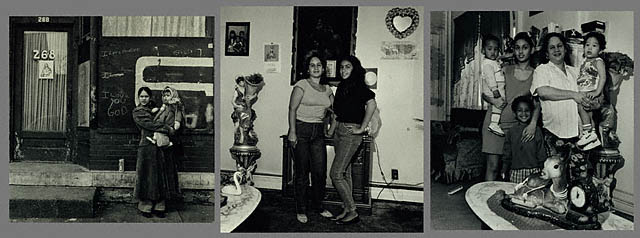
Eva and Daughter 1972, 1985, and 1992 (image borrowed without permission from The Getty Museum (http://www.getty.edu/art/collections/objects/o112420.html)
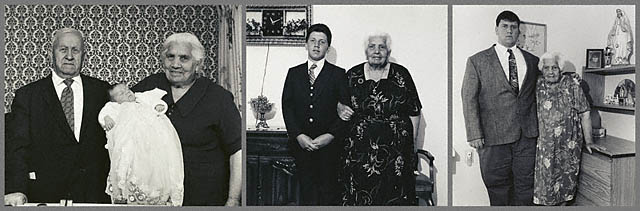
Grandparents and Baptism Boy 1974, 1985, 1992 (image borrowed without permission from The Getty Museum http://www.getty.edu/art/collections/objects/oz112421.html)
And an updated “quartet” extending the one above:

Here are a couple of other pictures gleaned from various web sites:
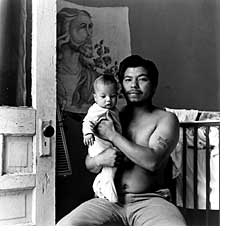
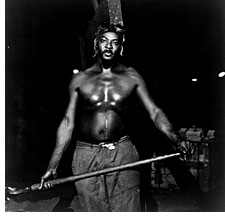
(from the Working People series)
There is a Milton Rogovin website.
I will be presenting two Flash movies of artists’ books and a brief technical discussion on Wednesday April 30, 2003. Time and location details below.
I have been interested for some time now in how to make artists’ books and other three-dimensional art forms more accessible. Paintings and photographs generally hang on walls and you can readily view them as closely as you’d like. Generally larger sculpture is similarly accessible; you can simply walk around it, crouch down and peer up, or otherwise examine sculpture.
However, when you see artists’ books in a museum or even in an art gallery, generally you can’t pick them up and manipulate them at all. They tend to be exhibited under/behind glass. And, since Karen has been making artist books and boxes with structured collections of objects (her Aidila project for her mother is an example), I have become more familiar with the form and all of the interesting facets built in, but normally quite inaccessible in a museum or gallery.
So,how did I get to Flash movies from that question? Last spring I attended the final presentation by students in Karen and Miriam Goodman’s RADCLIFFE SEMINARS Course, “Word & Image: Making Art in Two Languages”, and saw Pamela Worden give a performance of her book, “Letters to Andrew: the house book“. This immediately struck me as a terrific starting point for really doing something about my question.
One thing lead to another (partly through the intervention of Miriam Goodman) and I found myself with an additional project of working on a piece done by Dot Krause, “Vengeance Is Mine“.
Pamela Worden’s book is currently in the Book Arts show at the Cambridge Artists’ Cooperative. The movie is on display also.
My ultimate objective is to put this type of work on the web.
For the moment, if you want to see both of these movies come to the presentation.
Boston University – Photographic Resource Center
“Printmaking, Artist’s books, and the Digital Age”As a part of the jointly sponsored New England School of Photography and the BU Photographic Resource Center “Word and Image” series, Dorothy Simpson Krause, a painter, collage artist and printmaker who incorporates digital mixed media into her art, will talk about her work and Mark Orton, software entrepreneur, will show virtual artist books, he has translated into Flash. Orton has been working with Krause on an electronic representation of her artist’s book, “Vengeance is Mine”, and with artist Pamela Worden to create an electronic representation of her book, “Letters to Andrew: The House Book.”
Wed, April 30, 7:30pm. Boston University, The Photonics Center, Rm 206, 8 St. Mary’s St, Boston. Free! For more info contact Miriam Goodman, 617.868.5215, mirgoodman@attbi.com , or Ingrid Trinkunis (PRC), 617.353.0700, itrinkun@bu.edu . Wheelchair accessible.
One of over one hundred events in the 2003 Boston Cyberarts Festival . For more information go to: www.bostoncyberarts.org or call 617 524-8495.
When you find other interesting sites or resources about Book Arts and the Web, please send me an email.
This information was gathered on 04/25/03 from the various web sites. Thanks to Karen Davis and Miriam Goodman for assembling this list.
CHECK FOR CURRENT STATUS OF INFORMATION
Macromedia Flash MX Hands-On-Training
By Kymberlee Weil, Lynda Weinman; Paperback
Paperback: 803 pages ; Dimensions (in inches): 1.23 x 9.56 x 7.38
Publisher: Peachpit Press; Book and CD-ROM edition (September 24, 2002)
ISBN: 0321112725 From Book News, Inc.
This beginner’s guide offers a series of tutorials on using Flash to create graphics and animation for web sites. Step-by-step instructions accompanied by screenshots are provided for performing such procedures as creating graphic symbols, motion tweening, importing bitmaps, attaching sound to buttons, adding ActionScript to objects and frames, working with text, and applying effects to video. The CD-ROM contains exercise files and a trial version of Flash.Book News, Inc.®, Portland, OR
Macromedia Flash MX for Windows and Macintosh – A Visual Quickstart Guide
by Katherine Ulrich, ,
Publisher: Peachpit Press.
Flash MX Savvy (With CD-ROM)
by Ethan Watrall, Norbert Herber
Paperback: 784 pages ; Dimensions (in inches):
Publisher: Sybex; Book and CD-ROM edition
(May 15, 2002) ISBN: 0782141080
“The authors are smart and funny. The book is well organized and logical. The chapters feature a smooth transition between beginner topics and intermediate material (all of which is very detailed)
Reference Books
Macromedia Flash Documentation
Flash MX Bible
by Robert Reinhardt (Author), Snow Dowd (Author)
Paperback: 1300 pages ;
Publisher: John Wiley & Sons; Book and CD-ROM edition (July 15, 2002)
Includes enhanced coverage of using Flash with other powerful Web applications and exclusive expert tutorials from the world’s top Flash gurus. The most comprehensive Flash book on the market. Documents Flash’s integration and implementation of new technologies The accompanying CD-ROM is packed with trial software, add-ons, plug-ins.
New England School of Art and Design/Suffolk University
http://www.suffolk.edu/nesad/ghtml/gcoursed.html
ADG S213 – Introduction to New Media, J. Fuchel
New media is design that deals with non-linear and interactive works using cutting-edge digital technologies. In this survey course, students will be introduced to the concepts of electronic presentation, interactive media authoring, animation, web site design and creation, digital photography, digital sound, and video effects and editing.
Prerequisite: ADG S219 3 credits/Offered fall semester
ADG S219 – Computer Applications in Design
In this course students will learn the major software applications used by graphic designers. Through a series of problems, students will learn how and when to use specific software to produce their solutions. 3 credits/Offered fall semester
ADG S340 – Multimedia
ADG S341 – Advanced Multimedia
Designing for Animation ADG S231 AE
Thu 6:00-9:00 L. Armstrong
Harvard Summer School
http://www.summer.harvard.edu/
CSCI S-K Introduction to Creative New Media and the World Wide Web (31439)
Jennifer Fuchel and Nita Sturiale
(8 units: UN, GR, NC) M-Th 10 am-12:30 pm. Required computer laboratories to be arranged. Prerequisite: Basic familiarity with Windows and/or Macintosh operating system. No programming experience required. Harvard College students see additional information. Tuition $3,900. Limited enrollment.
This introductory course is an intensive immersion into New Media production for beginning and intermediate students. The current state of “New Media” is the digital convergence of print, broadcast, audio, image, film, and the Internet. The course consists of lectures, demonstrations, visiting speakers, and computer lab experience.
Particular attention is placed on balancing technical skills with individual content and experimental approaches. We will explore the evolution as well as the societal and cultural context of New Media the Web. Along with weekly assignments, students will propose, design, and produce a web-based, multimedia final project using the tools of the industry. Core software includes Adobe PhotoShop, Dreamweaver, and Flash. The course will also introduce digital video applications, QuickTimeVR, sound editing, and frontline developments in web applications.
Harvard Extension
http://www.dce.harvard.edu/extension/2002-03/courses
(Last fall)
CSCI E-14 Understanding and Developing Multimedia (11200)
Scott Traylor, BA, President, 360KID.
Creating dynamic media that communicates effectively through the use of sound, images, motion, text, and interactivity is a process that involves skill, planning, and practice. In this course, students will examine the concepts and tools necessary for producing their own interactive multimedia projects. A number of professional authoring applications willbe used to create student projects including Macromedia Flash, Bias Peak, Adobe Photoshop, and Illustrator. Many development- and user-related issues will be discussed, including the definition of target audience and playback conditions, defining the user experience before building, narrowband versus broadband delivery, as well as successful interface and compression formats. Prerequisites: a solid understanding of the Macintosh and Windows operating system; basic understanding of any paint or draw program.
Cambridge Center For Adult Education
http://www.ccae.org/catalog/courses/index.php?id=150
Introduction to Macromedia Flash MX
In this introductory class, learn the fundamentals of Flash and build dynamic media for web, CD-ROMs and other on or offline deliverables. We’ll start by familiarizing ourselves with the improved Flash interface and some of the brand new features only available in MX. Topics include working with timelines, creating movie clips and button symbols, using masks and guides, and building complex animated graphics.
This course is intended for new Flash users, but a working knowledge of Flash 5, Adobe
Photoshop/Imageready, and the Macintosh operating system is helpful. Limited to 12.
Sec. 01: 8 Tuesdays, 8:00-10:00 pm. Begins Jun. 17, 1 Story St. | $266
Term: SUMMER TERM Code: FLSX Section: 1
Flash Without the Cash
Term: SUMMER TERM
Sec. 01: 1 Wednesday, 6:30-8:30 pm. Jul. 16, 1 Story St. | $47
Instructor: Michael Mahoney
This course is designed to demonstrate alternatives to using Macromedia Flash to achieve the same results at 1/10th of the cost in 1/10th of the time. Limited to 12.
Boston Center for Adult Education
Introduction to Flash 5.0
Flash 5.0 is a powerful motion graphics tool offering unique solutions to Web design, animation, games, and other interactive media. Get an introduction to Flash’s capabilities through a series of projects that explore its most powerful features. Projects focus on creating animation, enhancing that animation with interactivity, and adding
sound and dynamic media. This course is designed for the novice; however, a working knowledge of the PC is helpful. The tuition includes a materials fee for a CD containing the lessons as well as useful links, resources for, and examples of more advanced projects.
Member: $179.00 Non-member: $198.00
Mondays: Time: 6:00pm – 9:00pm Begins: 05/05/2003 Session(s): 4 Ends: 06/02/2003 Class does not meet May 26.
Meets at: Technology Learning Center Instructors: Museum of Science, Gary Tucker
Art Institute of Boston/Lesley University
http://www.lesley.edu/aib/EXTRA/courses.html
The Web Design Trio: Macromedia MX Suite (Dreamweaver, Fireworks, Flash)
Matthew Nash July 14 – August 20, M, W @ 6 pm – 9:30 pm
1 Credit/$960, includes fees, or Non-credit/$900
Macromedia, the leader in web design and animation tools, recently released their MX package, a fully integrated web design suite. Create complicated and complex websites with Flash animations, graphics rollovers and great design with the tools of MX. This class will cover the basics of each program, look at how they are integrated when they are used to support each other, and how they form the best web design package on the market. We will use Flash to create amazing animations, Fireworks to create intricate and beautiful graphics, and Dreamweaver to combine them all into complete websites.
Massachusetts College of Art
http://www.massart.edu/indexF6.html
http://www.massart.edu/at_massart/academic_prgms/continuing/
Summer 2003
Flash
Animation is about telling a story through images that move. Macromedia Flash is so popular on the web because of its varied abilities to entertain, and communicate. In this workshop, students explore Flash’s unique drawing capabilities, animation
techniques, symbol creation and interactivity. We will create shapes and movement, make buttons, understand the concept of timelines, incorporate sound, and tell 7 stories that excite, entertain, and inspire us.
Prerequisites: Experience with computer graphics, strong comfort with Macintosh.
Workshop Code: NC517 Instructor: Margie Mintz
Schedule: Fri, 6-10pm. June 6-20 Cost: $275
School of Museum of Fine Arts
http://www.smfa.edu/default.asp?bhcp=1
Summer Program
Internet Animation / CMP 2015 S1
Steve Gildea
MTWR 9:00AM – 5:00PM Jun 10 2003 – Jun 26 2003 , Location: MAIN
1.50 Credits / Tuition: $620.00
The Web has become the new venue for animation, from avant-garde experimentation to commercial application. In this course we will take a hands-on approach to creating vector-based animations using the popular multimedia program Macromedia Flash. Flash allows the development of full-screen, streaming graphics, high-quality MP3 audio, as well as interaction. In a series of projects, we will learn to make use of vector graphics, key frames, and “inbetweening.” We will work with transparency, especially with text effects, and learn how to use raster graphics and audio. Upon the successful completion of this course, students will have a portfolio of Web-based animation that can be posted on a Web site or distributed on a CD-ROM. Prerequisite: Students should be familiar with Web page design techniques and editing tools and capable of working with Photoshop.
Introduction to Macromedia Flash / CMP 2017 S1
Lisa Berelson
TR 9:00AM – 5:00PM Jul 22 2003 – Aug 7 2003 , Location: MAIN
1.50 Credits / Tuition: $620.00
Flash technology has freed Web designers from the constraints of HTML programming. It melds the possibilities of unbounded design and creativity with a technology that allows graphics to be quickly downloaded over the Internet. This class will introduce Flash techniques and tools, such as drawing, layers, and working with scenes. Through hands-on exercises and projects you will learn how to create motion, shape “tweens,” design and edit symbols, and add interactivity using action scripts. We will also explore plug-in options, browser detection issues, and publishing and optimization techniques. Students will be expected to develop individual projects. Prerequisite: Students must have previous experience in basic Web development using Dreamweaver and HTML as well as experience with imaging software such as Freehand or Illustrator and Photoshop.
Lenni Armstrong
http://www.informmotion.biz
informmotion@attbi.com
(617) 764-1682
Leigh Clark
Site includes lecture notes on interactive design as well as design and
production using Flash, available to the public for reference.
http://www.fas.harvard.edu/~lclark
http://www.fas.harvard.edu/~lclark/resume
lclark@fas.harvard.edu
Steve Hoey
steve@stevehoey.com.
http://lab.dce.harvard.edu/summer/cscisk/creatnewmedia/
extensive resources list
http://www.thesecretbooks.com/sitelink.html Artist Book using Flash (also published book)
http://www.seankernan.com/
http://www.colophon.com/
modern illustrated and fine press books
http://www.bostonbookarts.org/
excellent site resources, links, individual artists
http://www.philobiblon.com/
extensive resources, gallery
http://www.colum.edu/centers/bpa/links.html
adaptable
http://www.artmonster.com/flash/flashexamples/silverbearintro.htm
When you find other interesting sites or resources about Book Arts and the Web, please send me an email
October 2, 2001 – January 21, 2002 at the Museum of Fine Arts, Boston, MA
Karen and I saw a few of Ms. Ristelhueber’s photographs a couple of years ago at the Museum of Modern Art (New York). They were part of MOMA’s annual New Photography selections. We were struck then by the power of her work.
The current exhibit at the MFA includes “Fait”, 71 approximately 4 ft x 4 ft photographs taken in the deserts of Kuwait shortly after the end of the “Desert Storm” war. Some are taken from a helicopter and others are at ground level. All are intensely detailed but in some strange way quite abstract in their impact. This is accentuated in the exhibition by the juxtaposition of aerial and close-ups so that at first glance one can not be sure which is which. This is the scene of modern warfare.
Another series of photographs entitled” Beirut” are 31 small black and white photographs of a streetscape in war torn Beirut. Another confrontation with the results of war.
There is more here in this extensive exhibit. We highly recommend it.
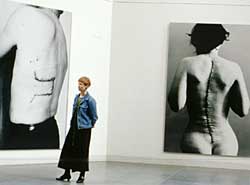 |
Every One, #3, 1994 Black and white photograph mounted on fiberboard 106 x 71 inches, unique installation at the Centraal Museum, Utrecht.
(Picture to left and text description above borrowed from MFA web site 01/15/02) |
1/15/02